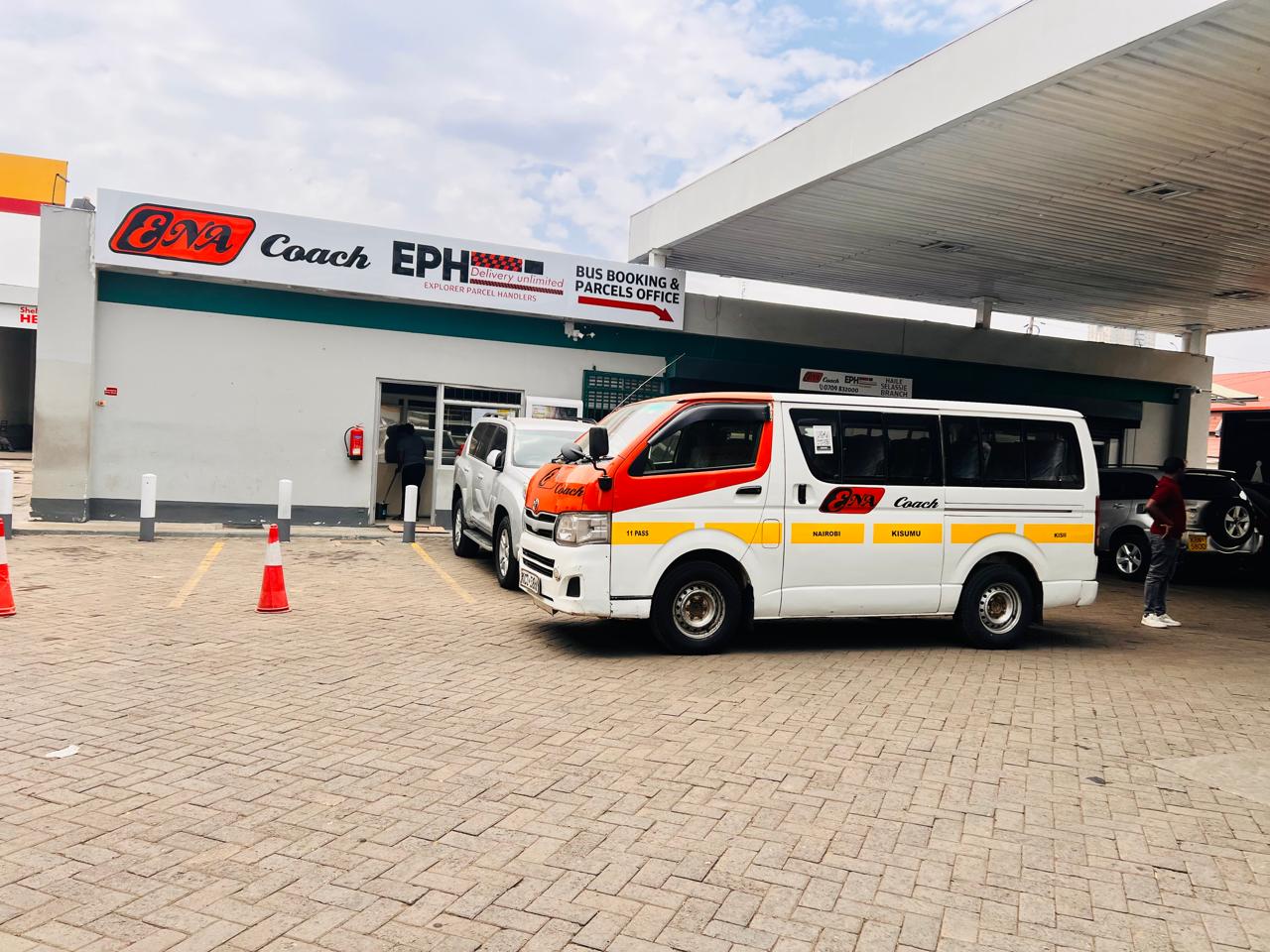
A standoff is brewing between matatu operators and a group of Nairobi residents who have filed a petition in court seeking to have all public service vehicles banned from operating within the Central Business District (CBD).
The petitioners, Ezekiel Oyugi and Joshua Karuu, have sued the Nairobi City County, Total Energies at Rhino, Ola Energy at Afya Centre, and Ola Energy at OTC, accusing them of endangering public safety by allowing matatus to operate from petrol stations. They also want the National Environment Management Authority (NEMA) and the Energy and Petroleum Regulatory Authority (EPRA) compelled to revoke the stations’ operating licenses for non-compliance with safety and environmental laws.
According to the petitioners, the continued use of petrol stations as termini violates Articles 42 and 69 (1) (d) of the Constitution, which guarantee citizens the right to a clean and healthy environment and require public participation in environmental governance. The petitioners argue that allowing matatus to pick up and drop off passengers inside or near fuel stations poses serious safety and fire risks to the public.
The petrol stations named in the suit serve major routes within and outside Nairobi, including Thika, Ngara, Pangani, Kenyatta University, Murang’a, Eldoret, Kitale, Kisii, Makueni, and Machakos, among others. The residents are seeking orders to suspend operations of at least 12 matatu SACCOs until proper safety standards are enforced.
The affected SACCOs include ENA Investment, Transline, Prestige, Kinatwa, Makos, and Kangema Travellers, among others. The operators, however, maintain that they have operated at the disputed sites since 1985 and only park outside, not within, the petrol stations.
Lawyers representing the SACCOs, Dunstan Omari, Stanleigh Kinyanjui and Swiga Martina dismissed the petition as ill-intentioned, saying it is economically destructive and socially inconsiderate. They warned that if the court grants the orders, it would cripple the city’s transport sector, disrupt livelihoods, and cause massive job losses.
“The eviction would disrupt the livelihoods of over 200,000 people and deny both the national and county governments billions in revenue,” said Kinyanjui.
Nairobi City County collects over KSh 200 million annually in license fees from operators, while the Kenya Revenue Authority (KRA) collects at least KSh 2 billion in taxes from the sector.
The operators’ representative Clinton Kioko Wambua added that the industry serves about 100,000 commuters daily and projects a figure of over 800,000 commuters during the approaching festive season. He said the petition, if successful, would turmoil the transport sector and cripple mobility in and out of the city.
The lawyers further cited the failed transition to the Green Park Bus Terminal as an example of poor planning, saying previous attempts to relocate matatus from the CBD have failed due to inadequate infrastructure and lack of viable alternatives.
Currently, key matatu stages within the city centre include River Road, Koja, Ambassador, Archives, Railways, Country Bus, OTC, Odeon, and KenCom, among others.
The case will be heard on January 26, 2026, after the court directed the petitioners to serve all respondents within 14 days.