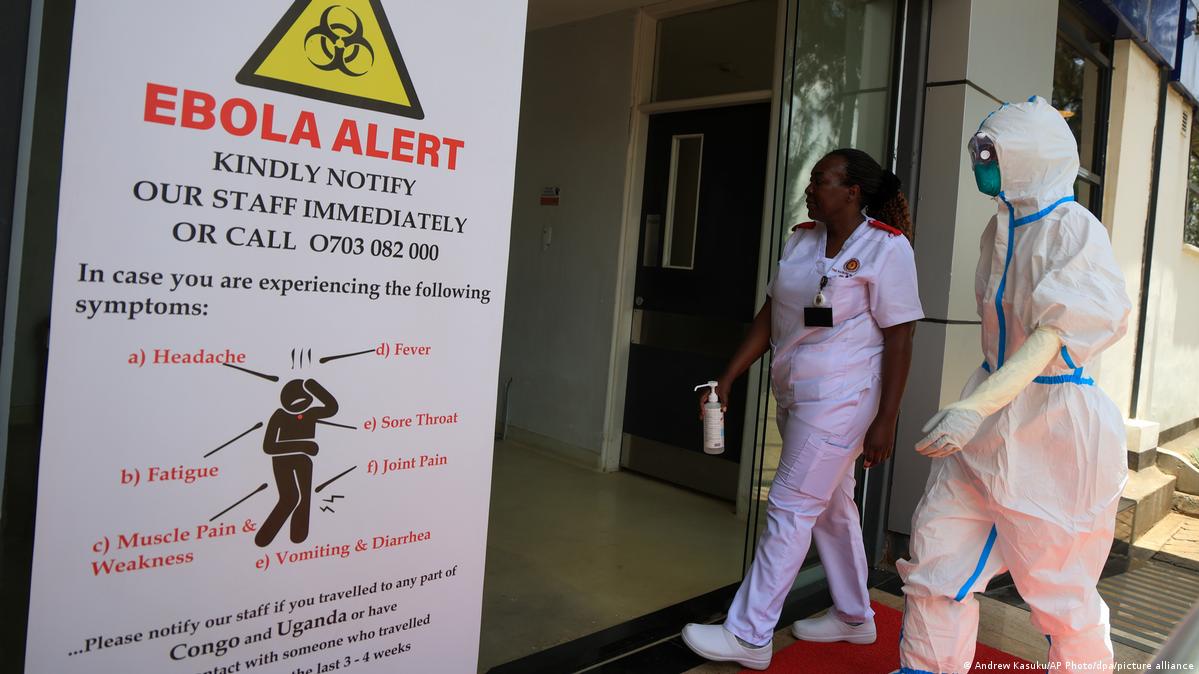
The final patient who was infected with the Bundibugyo strain of Ebola beat the disease and has been allowed to go home.
The patients release together with persons who were in quarantine, however, does not bring immediate relief to Kenya that has had the cloud of the deadly haemorrhagic disease hanging over its head since the first case was reported on October 6th 2026.
It only marks the beginning of a 42-day waiting period for the country to shake itself off the list of countries with Ebola. If a case is reported within the period then the journey begins all over again.
“The countdown is not the end of the response. During these 42 days, heightened vigilance will continue. Our Rapid Response Teams remain on alert in every county.” Kenya’s Health Cabinet Secretary declared.
According to WHO’s Technical Note on Ebola released in 2020, the 42-day period represents twice the maximum incubation period for Ebola infections.
During the period Kenya is expected to continue its active surveillance and case finding around confirmed cases and transmission chains.
The country is also expected to conduct post-mortem testing for Ebola following suspected deaths in the community and maintain rapid response team capacities.
WHO also expects Kenya to enrol Ebola survivors in the ‘Survivors Programme’, ensure the sustainability of the programme, and maintain close collaboration with survivors’ representatives and associations.
If no case is declared within 42 days then Kenya will be removed from nations undergoing an outbreak however some measures are expected to be sustained beyond the period.
“Postmortem testing following suspected deaths in the community should continue for at least 6 months. The Survivor Programme for care and biological follow-up should continue at least 18 months after the last person with a confirmed case has recovered from EVD.” The technical note states.
WHO further stresses the importance of coordinated communication among response partners, national authorities and the media.
Public messaging should acknowledge the possibility of future flare-ups while avoiding absolute descriptions such as “Ebola-free.”
The organization also highlights the need to protect survivors from discrimination and stigmatization through community engagement, education and collaboration with survivors’ associations.