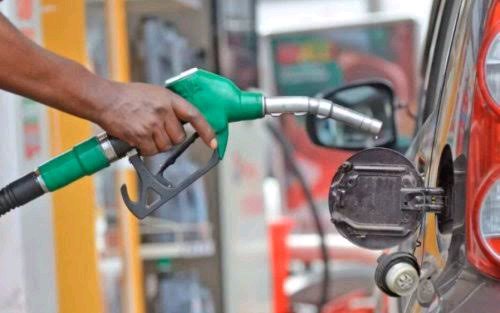
The Energy and Petroleum Regulatory Authority (EPRA) has announced that fuel prices will remain unchanged for the pricing cycle between March 15 and April 14, 2026, even as the cost of importing petroleum products into the country continues to rise.
In a statement, EPRA said the maximum retail pump prices for Super Petrol, Diesel and Kerosene will remain unchanged across the country during the review period.
“In the period under review, the maximum allowed petroleum pump prices for Super Petrol, Diesel and Kerosene remain unchanged,” EPRA said in the statement.
In Nairobi, the prices of Super Petrol, Diesel, and Kerosene will now retail at KSh 178.28, KSh 166.54, and KSh 152.78 respectively for the next 30 days.
In Mombasa, the price of Super Petrol will remain at KSh 175.00 per litre, Diesel at KSh 163.26, and Kerosene at KSh 149.49.
In Kisumu, the prices of Super Petrol, Diesel, and Kerosene will retail at KSh 178.16, KSh 166.76, and KSh 153.03 per litre respectively.
Meanwhile, in Eldoret, Super Petrol, Diesel, and Kerosene will sell at KSh 178.16, KSh 166.77, and KSh 153.03 per litre respectively.
This announcement comes amid concerns over the rising cost of petroleum products due to the ongoing war in the Middle East.
EPRA said that although prices have risen in international markets, the ongoing conflict in the Middle East has not yet significantly affected local pump prices.
EPRA explained that the calculation was based on cargo shipments received and discharged between February 10 and March 9, 2026, most of which had been priced in February.
“Most of the cargoes considered were February-priced shipments and the effect of the situation in the Middle East has not had an effect on the prices yet,” the authority stated.
While consumers are enjoying stable pump prices for now, energy experts warn that prolonged instability in the Middle East could eventually push global fuel prices higher, which may translate into higher import costs for Kenya in future pricing cycles.
If the conflict escalates and disrupts supply routes, analysts say the impact could begin to reflect in Kenya’s pump prices in the coming months.