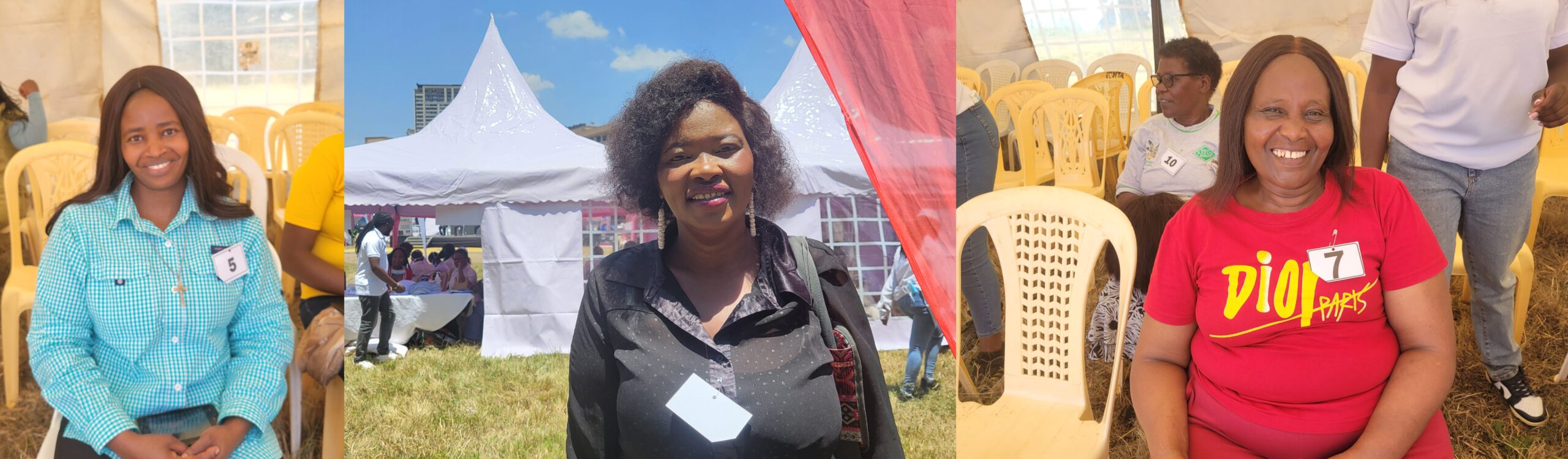
For Doris Kerubo, 2026 has been a difficult year. What began as a lump in one of her breasts soon turned into a journey marked by hospital visits, medical tests and uncertainty about her future.
In January, after undergoing several tests, doctors confirmed her worst fears: she had breast cancer.
As she began treatment, Kerubo experienced another distressing change. Her hair started falling out, gradually thinning until she eventually lost it all. The experience added to the physical and emotional burden of living with cancer, forcing her to confront changes in her appearance at a time when she was already struggling to come to terms with the diagnosis.
For many women, hair is more than a physical feature. It is closely associated with beauty, femininity and identity, particularly in many African communities. Losing it can therefore affect self-esteem, confidence and the ability to feel comfortable in one’s own body.
For Kerubo and hundreds of other women undergoing cancer treatment, however, wigs are offering more than a way to cover their heads. They are restoring confidence, dignity and a sense of normalcy as the women navigate one of the most challenging periods of their lives.
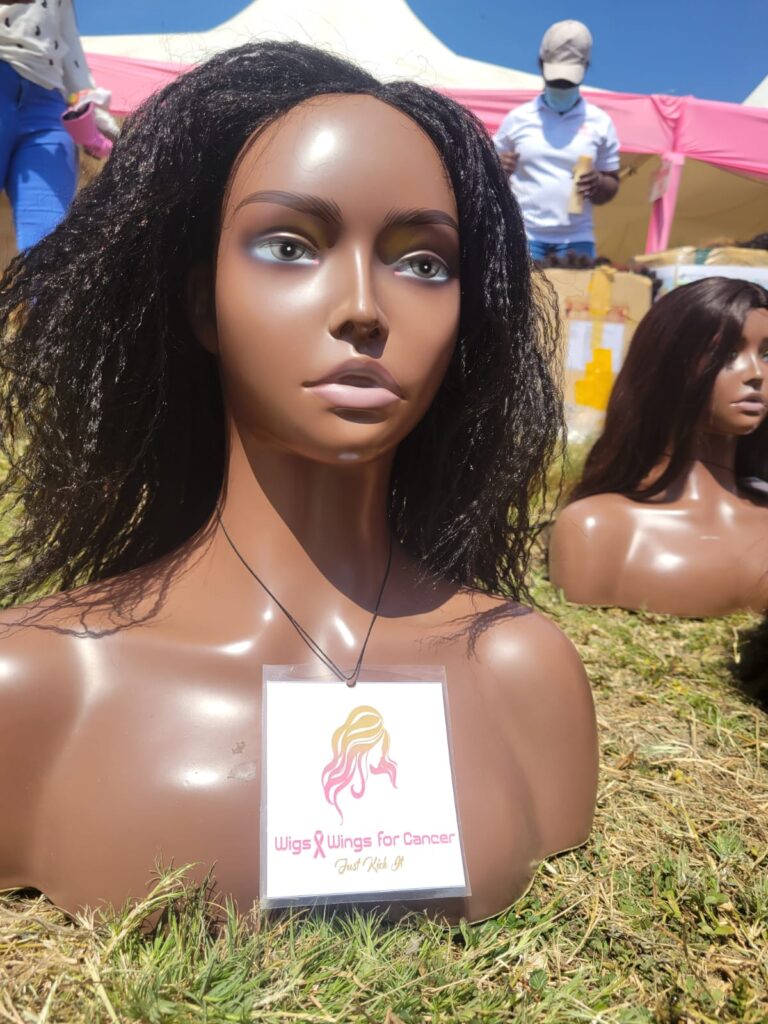
The initiative is part of the work of Wigs and Wings for Cancer, a charitable organisation that distributes human-hair wigs to cancer patients at Kenyatta National Hospital and other health facilities across the country.
The programme seeks to address an often-overlooked aspect of cancer care: the emotional and psychological impact of treatment-related changes in appearance.
Understanding cancer-related hair loss
Hair loss, medically known as alopecia, is a common side effect of certain cancer treatments, particularly chemotherapy.
Dr Dismus Elikana of the Oncology Department at Kenyatta National Hospital explains that chemotherapy works by targeting cancer cells, which typically grow and divide rapidly. However, the treatment can also affect healthy cells that multiply quickly, including those responsible for hair growth and the renewal of skin and nails.
“Cancer cells rapidly divide. Chemo targets these cells and any other cells that also rapidly grow and divide. This, in the human body, will include cells responsible for hair growth, nails and skin,” he explains.
“That is why cancer patients undergoing chemo will experience loss of hair, changes in the skin appearance and even discolouration of the nails.”
These side effects can be particularly distressing because they make the effects of the disease and its treatment visible to patients and those around them.
For a woman who has always associated her hair with her identity, watching it fall out can be a painful reminder of the illness. The changes may affect how she sees herself, how she interacts with others and how comfortable she feels in public.
The impact is not limited to hair loss. Some patients experience changes in their skin, nail discolouration and other physical side effects, depending on the treatment they receive.
Dr Elikana notes that chemotherapy is administered for different reasons, depending on the patient’s condition and treatment plan. In some cases, it is used to shrink a tumour before surgery. In others, it helps control the growth of cancer or relieve symptoms in patients whose disease has advanced.
For patients with advanced cancer, treatment may focus on controlling the disease and improving their quality of life, even when a cure is not possible.
Although some side effects are temporary and may improve after treatment ends, their effects on a patient’s confidence and emotional well-being can persist.
This is where initiatives such as Wigs and Wings for Cancer become important, complementing medical treatment with practical and emotional support.
Sam Sande, a beauty expert and co-founder of Wigs and Wings for Cancer, says the initiative was inspired by the loss of clients to cancer.
Working in the beauty industry brought him into contact with women whose lives had been changed by the disease and its treatment. He came to recognise that while cancer treatment was necessary to save lives, the physical changes it caused could leave women feeling disconnected from their former selves.
“When a woman loses hair, I, as a beautician, lose a client. It only makes sense for us as the beauty industry to support our women when they go through a phase that makes them question their beauty,” Sande says.
The programme mobilises volunteers willing to have their hair shaved off. The donated hair is then used to manufacture wigs, which are distributed to cancer patients. They also recveive donations of already made human hair wigs from well wishers.
The organisation prioritises human-hair wigs, which Sande says are generally more expensive than synthetic alternatives but are preferred for their natural appearance and suitability for many wearers.
“We prefer to give human-hair wigs because, unlike synthetic wigs, they rarely react with the human scalp, although they are way more expensive,” he says.
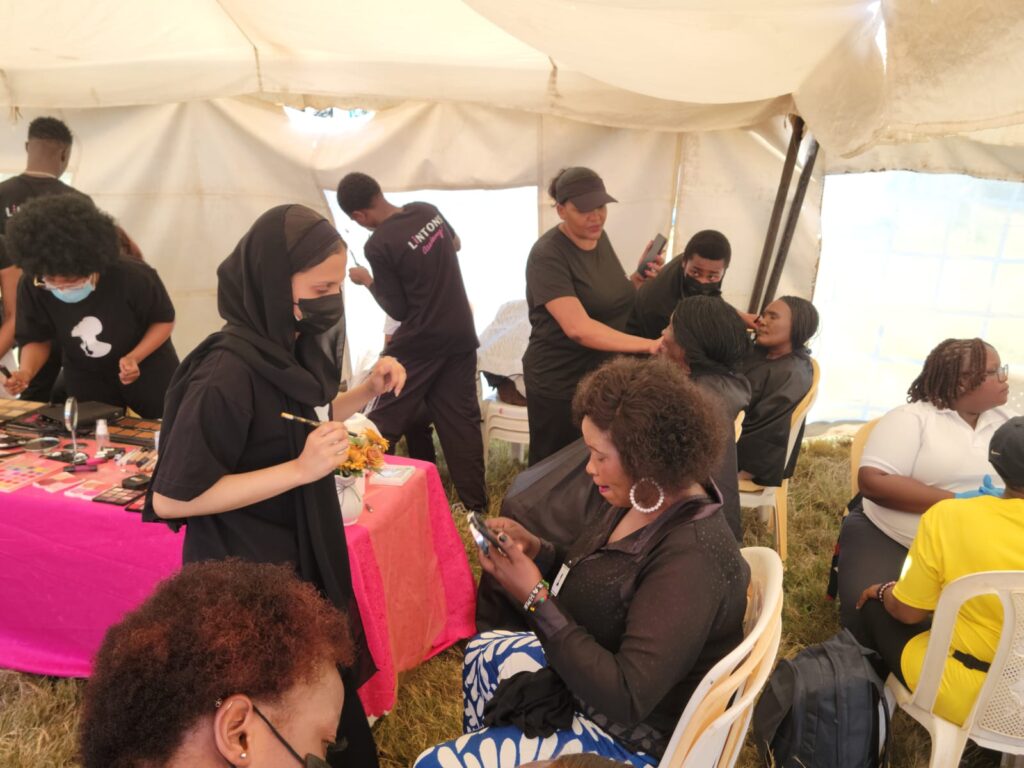
For women experiencing hair loss, a well-fitting wig can offer a sense of familiarity at a time when much of their lives feels uncertain. It allows them to choose how they present themselves to the world rather than feeling defined by a visible side effect of their illness.
The benefits may appear cosmetic, but the emotional impact can be significant. Feeling comfortable with one’s appearance can make it easier to socialise, attend appointments, meet friends and participate in everyday activities without constantly worrying about how others perceive them.
For Kerubo, the opportunity to regain some of the confidence she had before her diagnosis is part of a broader effort to cope with the realities of cancer treatment.
The wigs do not treat the disease, but they help address a burden that medicine alone may not fully resolve.
Restoring dignity through personal care
Wigs and Wings for Cancer also provides manicure and pedicure services to patients, helping them care for their nails, which may become discoloured during chemotherapy.
The services are designed to help women feel cared for and comfortable with their appearance despite the changes brought about by treatment.
For patients whose daily lives revolve around hospital visits, medication and managing side effects, such gestures can provide a welcome break from the demands of illness.
The opportunity to receive personal care in a supportive environment can also create space for patients to interact, share experiences and realise that they are not alone in what they are going through.
At the Kenyatta National Hospital Oncology Centre, medical social worker Jane Mwangi says such initiatives are important because cancer affects far more than a patient’s physical health.
“Cancer is a journey,” Mwangi says. “In this journey, you need to have a support. And that support can come in the form of a wig and make up.”