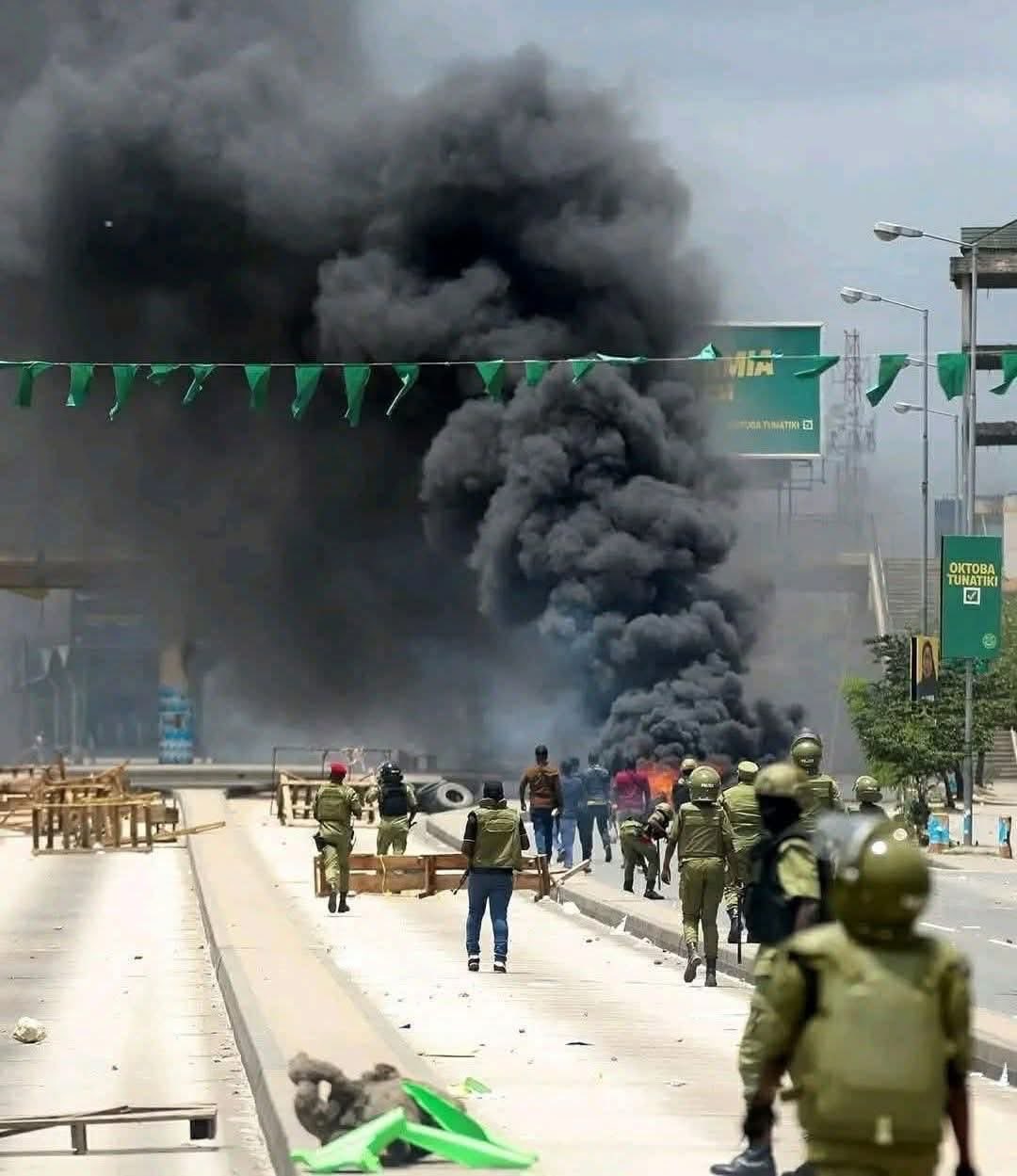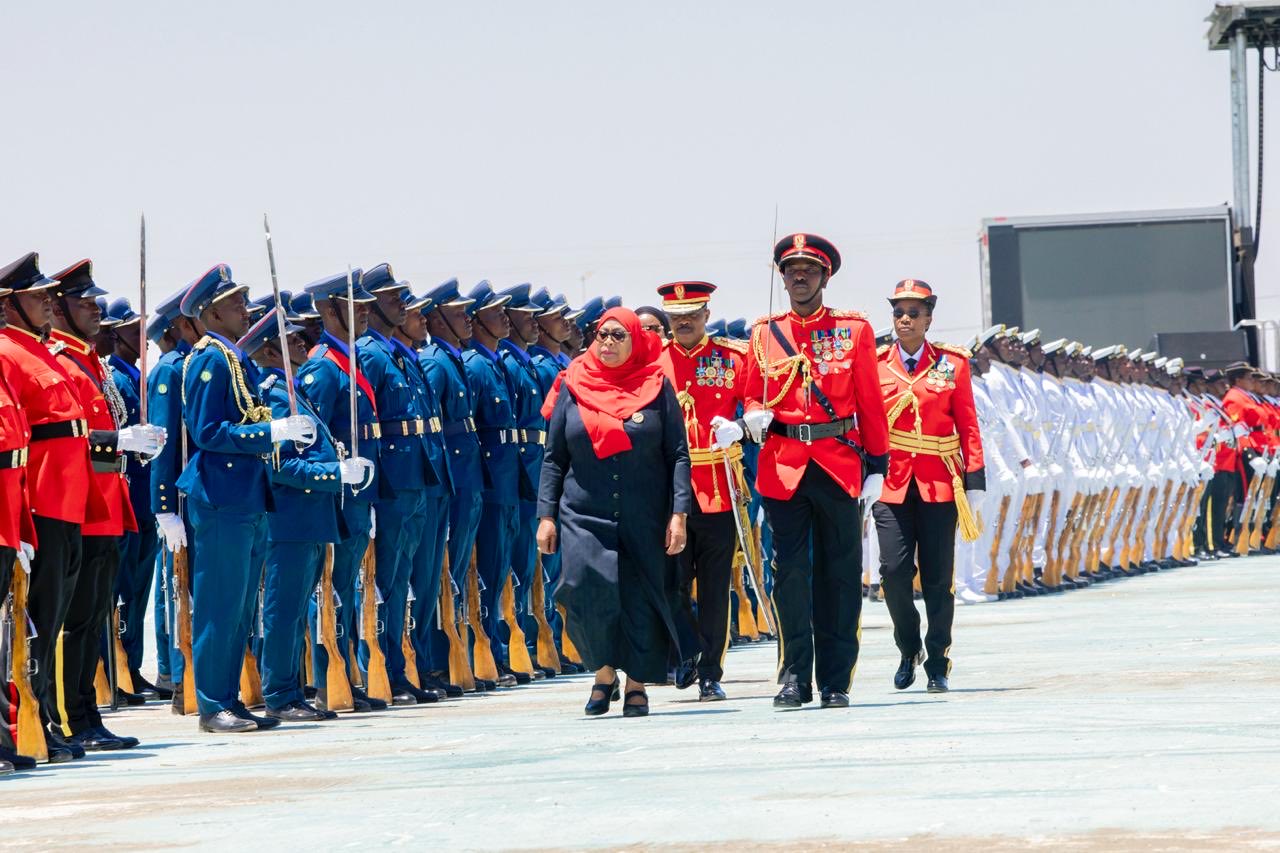
Tanzania’s president-elect, Samia Suluhu Hassan, was sworn into office in a low-key ceremony on military grounds in the country’s capital, Dodoma, without the traditional cheering crowds or songs of unity that once symbolized the “United Republic.” The swearing-in came just days after the National Electoral Commission (NEC) declared her winner of the 2025 General Election, securing 31.9 million votes representing 97.66% of the total tally of 31 million. The election, however, has been widely condemned as flawed, marred by media suppression, internet shutdowns, and post-election chaos that left hundreds dead and many more injured, according to reports from the United Nations, NGOs, and local media.
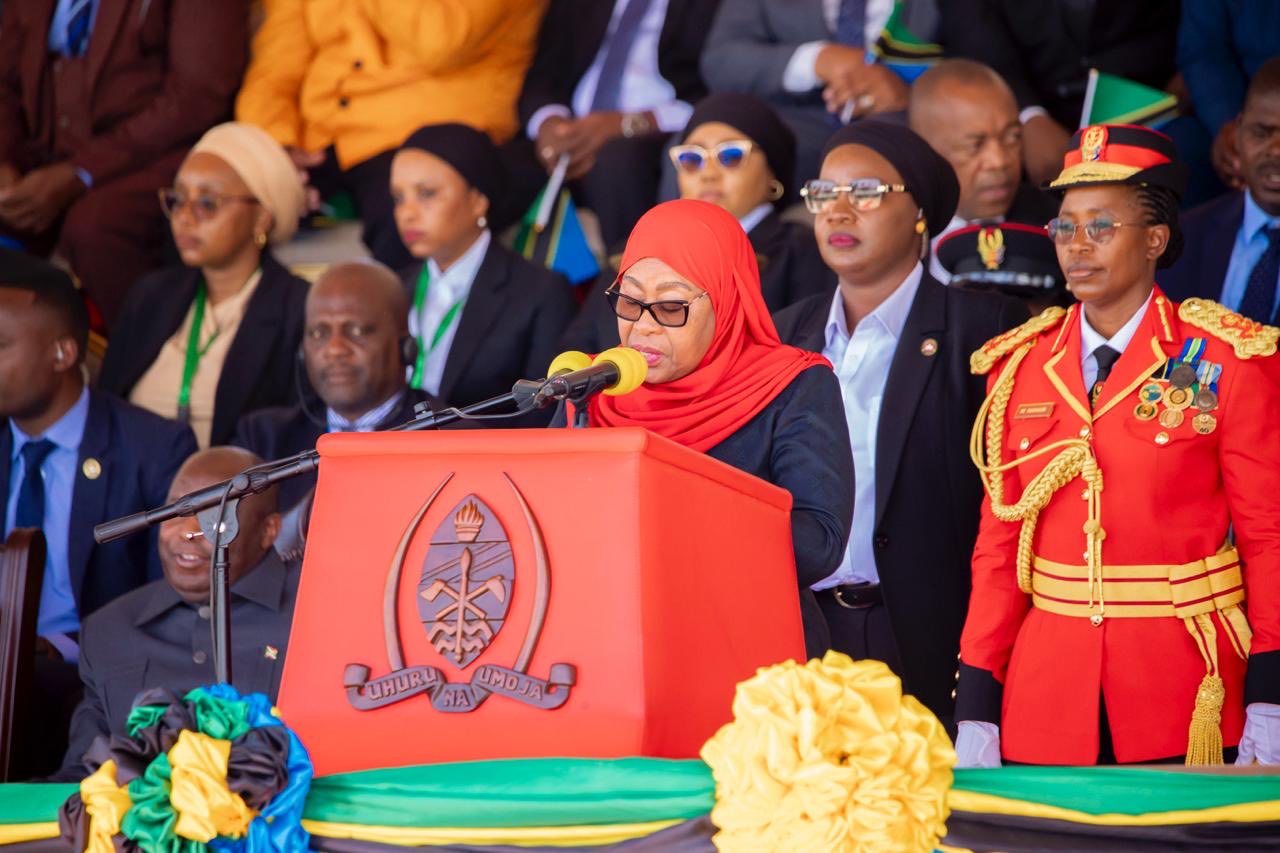
President Samia’s rise to a second term comes amid growing accusations of authoritarianism. When she first assumed office in 2021 following the death of the then president, John Magufuli, she promised openness, unity, and democratic reform. However, critics now argue she has morphed into a more dictatorial figure, cracking down on dissent and shrinking civic space. In her inauguration speech, Samia dismissed the protests as “foreign-sponsored,” saying, “From today, I want all security agencies to bring back normalcy immediately.” The ceremony, attended largely by military personnel and select government officials, was closed to the public, despite her claim of overwhelming popular support.
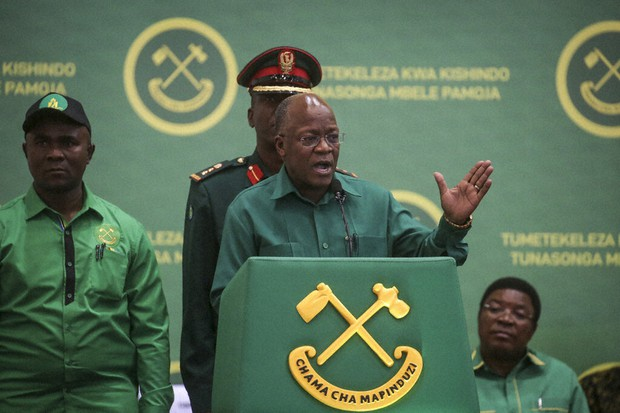
A Southern African Development Community (SADC) Electoral Observation Mission (SEOM) report released days earlier concluded that the election fell short of democratic standards, citing intimidation of opposition figures, arrests including that of Chama cha Demokrasia na Maendeleo (CHADEMA) leader Tundu Lissu, and the disqualification of key candidates such as ACT-Wazalendo’s Luhaga Mpina.
The mission also reported uneven media access, an internet blackout on election day, and low voter turnout, all of which it said undermined the credibility of the process. Despite this, a handful of regional leaders like Kenya’s William Ruto, Zambia’s Hakainde Hichilema, Burundi’s Evariste Ndayishimiye, Mozambique’s Daniel Chapo, Somalia’s Hassan Sheikh Mohamud, and Uganda’s Yoweri Museveni congratulated Samia on her re-election even though it was marred by conspicuous injustices, though most other African leaders sent lower-ranking representatives, and they haven’t condemned the act. However, Al Jazeera reports note that several of these leaders themselves face criticism for democratic backsliding, from President Ruto’s handling of Gen Z protests in Kenya and Ndayishimiye’s militia-linked past in Burundi to Mohamud’s controversial involvement in Somalia’s Jubaland region.
Only four presidents attended the muted swearing-in, and just two, Burundi’s Ndayishimiye and Zambia’s Hichilema, were allowed to speak. Ndayishimiye praised Tanzania’s electoral body, saying it had “passed on how to conduct an election,” a remark that drew both local and international criticism. The developments deepen growing concern over Africa’s widening democratic deficit, coming just weeks after Cameroon’s 92-year-old Paul Biya secured an eighth term with 54 percent of the vote and Ivory Coast’s Alassane Ouattara clinched a controversial fourth term with 90 percent—both amid widespread street protests challenging their legitimacy.