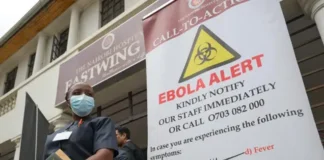
The World Health Organization has defended its advisory to Kenya against closing its borders despite the reporting of the first and second case of infection of the Ebola Virus Disease.
WHO country Director Neema Kimambo has said closing borders would push people to use unofficial crossing points that will make it impossible to screen them prior to entering Kenya thus exacerbating the risk of further importing more Ebola cases into Kenya.
“Our borders are very porous. If we close the borders, people will use unofficial borders, and you will not be able to screen,” she said during a High-Level Media Engagement and National Outbreak Reporting Workshop.
Keeping borders open she says allows the government to monitor who is entering Kenya, check their health status and isolate any suspected case of Ebola.
“Better use official borders so that you can do the screening and pick up those at risk,” she said, explaining why WHO considers blanket border closures counterproductive.
The first imported case was of a Kenyan man who had worked in DRC and flew into Kenya via The Jomo Kenyatta International Airport before losing his life at the Nairobi Hospital.
The case has sparked questions on the vigilance at Kenya’s entry points given that JKIA is the country’s busiest Airport and main gateway into the country.
The second case is that of a close relative who came into contact with the first patient.