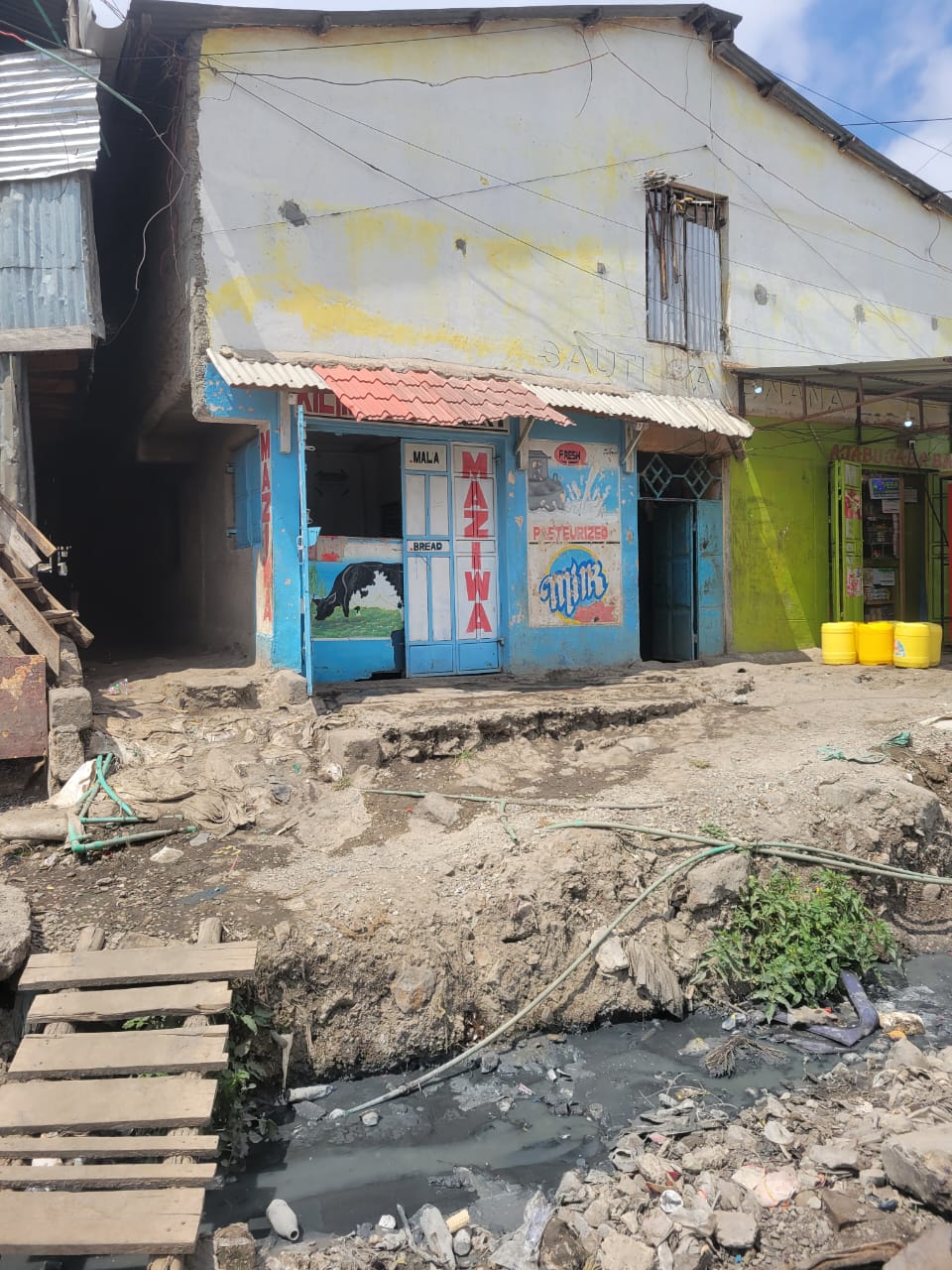
The ongoing milk crisis has pushed Kenyans in informal settlements to milk hawkers and vendors.
The shortage that the Ministry of Agriculture has attributed to depressed rainfall and lack of pasture has pushed the price of half a litre pasteurised milk to between Ksh. 70 and Ksh. 85 from the usual price of between ksh. 45 and Ksh. 60.
A milk vendor in Nairobi’s Mukuru Fuata Nyayo, who asked for anonymity for fear of victimization, says his sales have risen up since the shortage began.
“We used to sell around 40 litres a day now, but from September, we have done 70. ” He says.
The Kenya Dairy Board, in a public advisory, cautioned kenyans against buying unpasteurised milk, saying it carries health risks.
The dairy industry regulator said its market research revealed that vendors poorly handle the product and, in some cases, add water and unsafe chemicals.
“Buying milk from farmers and them adding water and chemicals is an unacceptable practice.” Genesio Mugo, the director of KDB, said.
The warnings have done little to discourage Kenyans from purchasing from unpasteurized milk vendors with their cheaper prices emerging as a key driver.
Our survey around the sprawling Mukuru Fuata Nyayo showed that the vendor typically sells half a liter at Ksh. 40 bob compared to packed milk that goes for anything to the north of Ksh. 80.
The hawkers also seemingly have an unending supply at a time when most supermarket shelves have run dry.
A spot check at Muhindi Mweusi Supermarket in the neighboring South B shows that there is no fresh milk with the usual counter now stocked with yogurts, milkshakes and fermented milk products.
The Ministry of Agriculture says the supply shortage is only temporary, and normal supply is expected to be restored once the October -November-December rain seasons begin.
The Cabinet Secretary of Agriculture Mutahi Kagwe permitted the importation of yellow maize to ease competition between animal feed manufacturers and millers producing flour for human consumption.
“The government will gazette a 50% duty waiver for the importation of 5.5 million bags of yellow maize over a one-year period. This initiative will be carried out by a vetted list of qualified animal feed millers with sufficient capacity. The objective is to reduce pressure on local white maize stocks by shifting animal feed millers to yellow maize.
“This will allow millers focused on human consumption to access available maize at fairer prices, ultimately leading to reduced production costs and more stable unga prices for consumers,” Kagwe said.